Imagine you are exploring the vast world of loose-leaf tea, and you keep hearing whispers about a legendary, highly sought-after category called “Rock Tea” (Yan Cha). You might find yourself asking: Wait, a tea made from rocks? Does it taste like gravel? Is it just smoky? And why on earth is it often so expensive?
If you are new to Rock Tea, the entry barrier can feel intimidating. And even if you are a seasoned tea drinker, finding a vendor you can actually trust, without falling for overhyped marketing or fake, overly roasted “ashy” teas, is a real challenge.
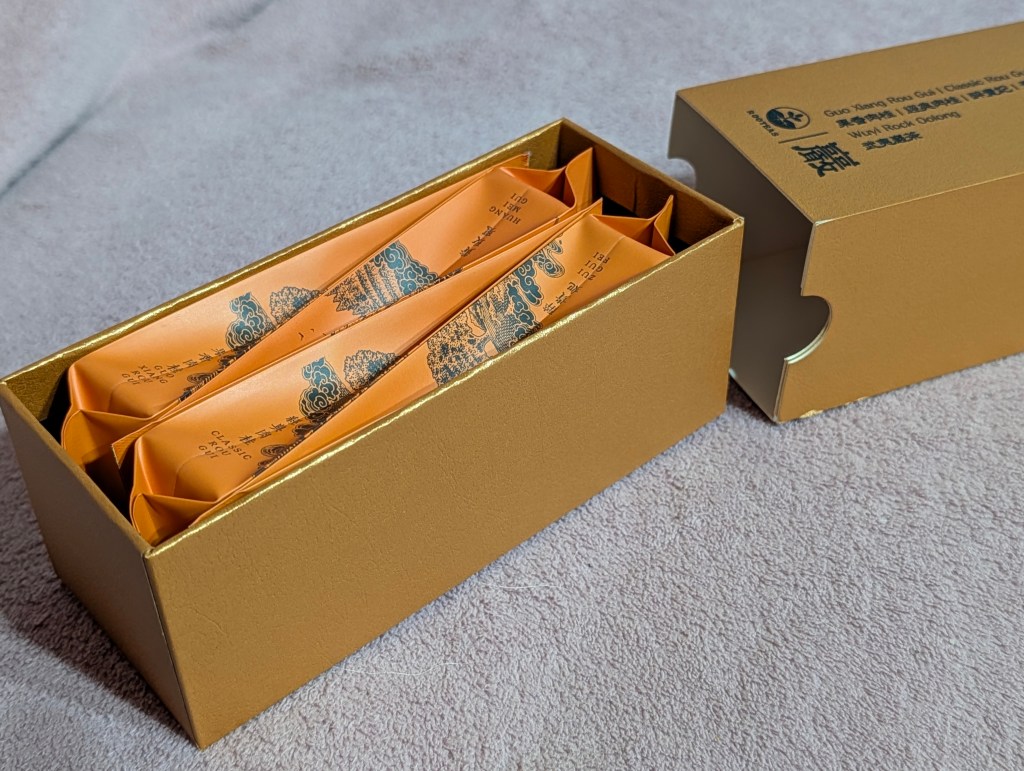
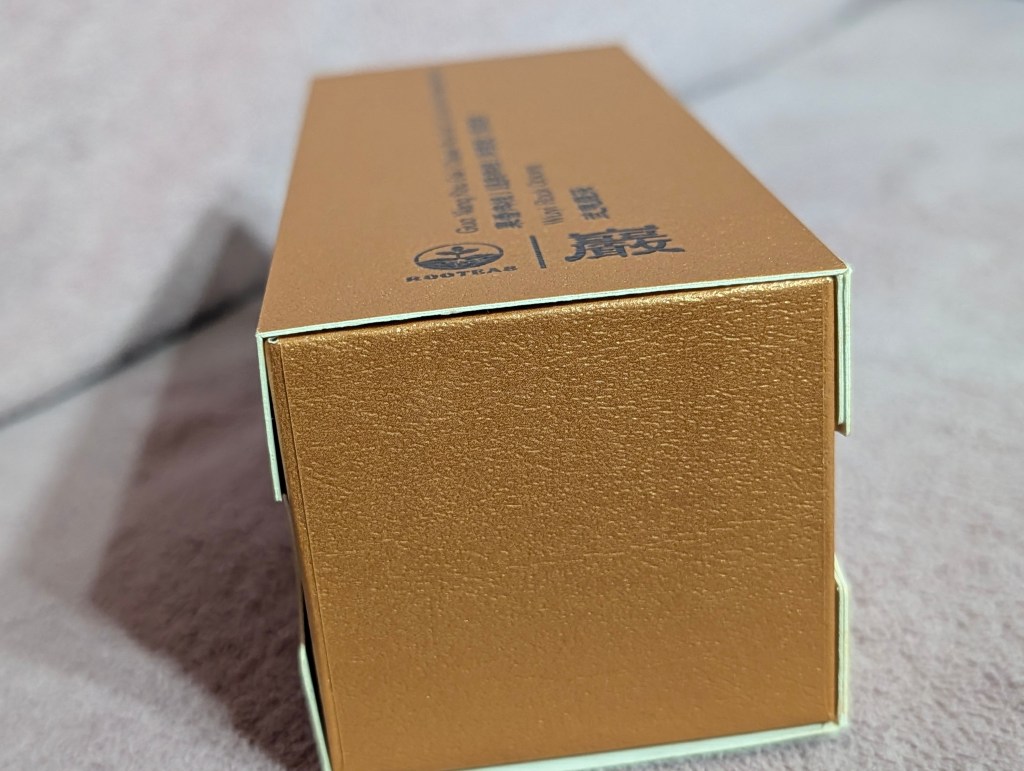
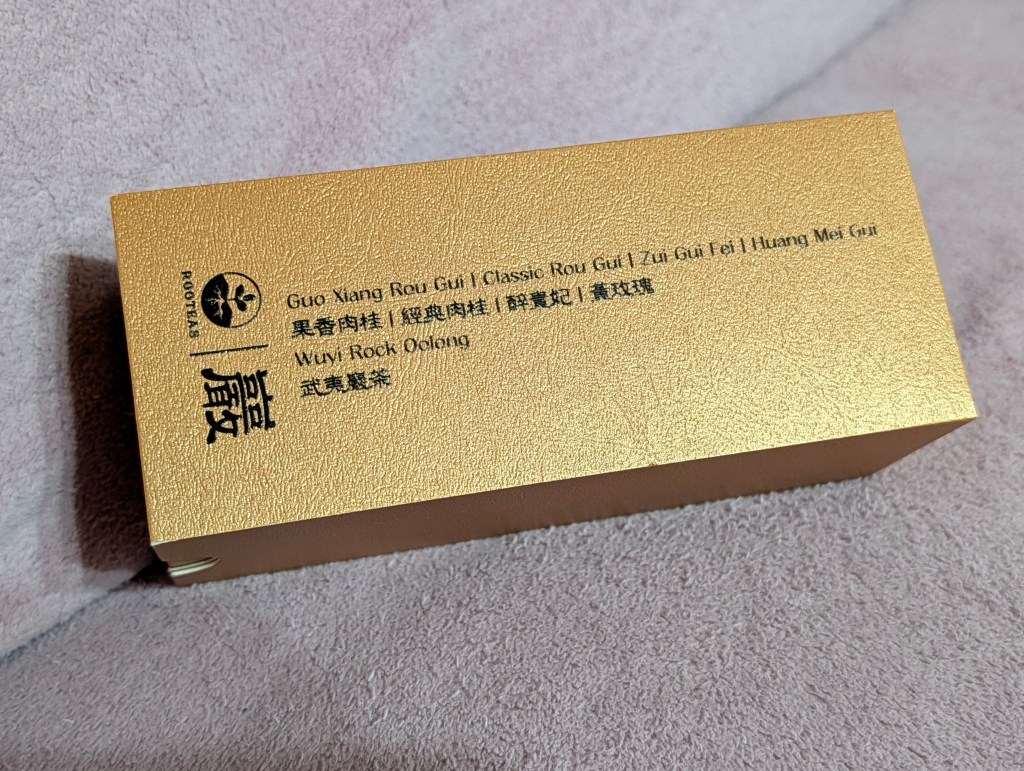
Full disclosure right at the start: Rooteas reached out and kindly provided their Wuyi Rock Oolong Sampler Box to me for free so I could test it and share my honest thoughts here. They promise a high-quality, handcrafted journey through four classic Rock Tea expressions. But does it actually deliver? I spent several long, late-night sessions putting this sampler to the test to find out if this box is a genuine ticket into the world of Yan Cha.
What Actually is “Rock Tea”?
Before we open the golden box, let us clear up the “rock” mystery. Wuyi Rock Oolong originates from the Wuyi Mountains in Fujian, China. This is a stunning, misty region famous for its rocky, mineral-rich soil, and it differs from other oolong types, such as the black oolong we discussed earlier. The tea bushes grow quite literally in the crevices of these cliffs. When processed correctly, the tea absorbs these minerals, creating a unique, lingering sensation in the mouth and throat known as Yan Yun (rock rhyme).
However, good material can easily be ruined by bad roasting. This is where the Xiao Family, the producers behind Rooteas, come in. Katniss and Alaric, the founders, work closely with their uncle, who brings nearly 30 years of roasting experience to the table. Their philosophy relies on traditional, slow charcoal roasting to enhance the leaves rather than burning them to a crisp.
A Note on Tasting Notes and Brewing
Rooteas provides detailed tasting notes for each tea, including flavors such as dark chocolate, caramel, and honey. To be perfectly transparent: tea tasting is a lot like wine tasting. Every palate is different. My personal focus during these sessions is always on the overall body, structure, and the authentic Yan Cha character. I personally did not isolate specific dessert notes like chocolate or caramel, but you might! What matters to me is that the tea tastes incredible, with zero harshness and a flawlessly clean profile.
Regarding endurance, I found these teas to be adequately yielding. While I will not make a strict “10+ steeps” marketing promise for everyone, as it heavily depends on your vessel size and steep times, I enjoyed many long sessions where the leaves just kept giving flavor and color. A porcelain Gaiwan or a clay teapot works perfectly for all of them.
The Tasting Journey: Four Expressions of Wuyi
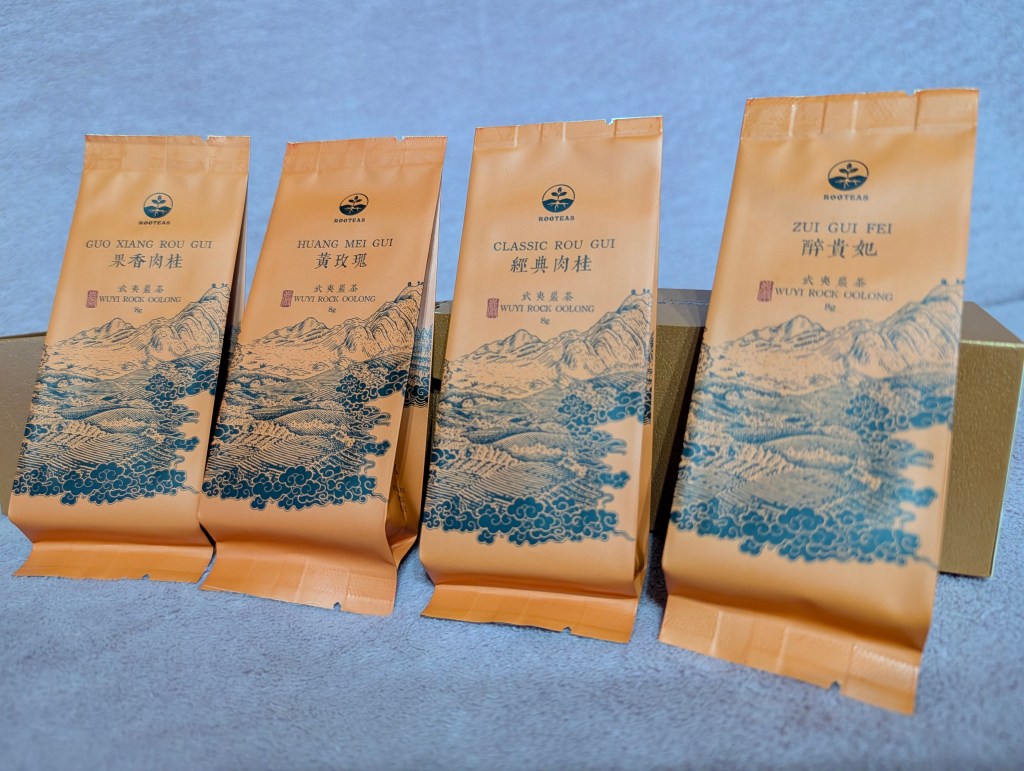
The beautifully designed box contains four orange packets, each holding 8 grams of tea. Here is how the four varieties performed in my tests:
1. Huang Mei Gui (“Yellow Rose”)
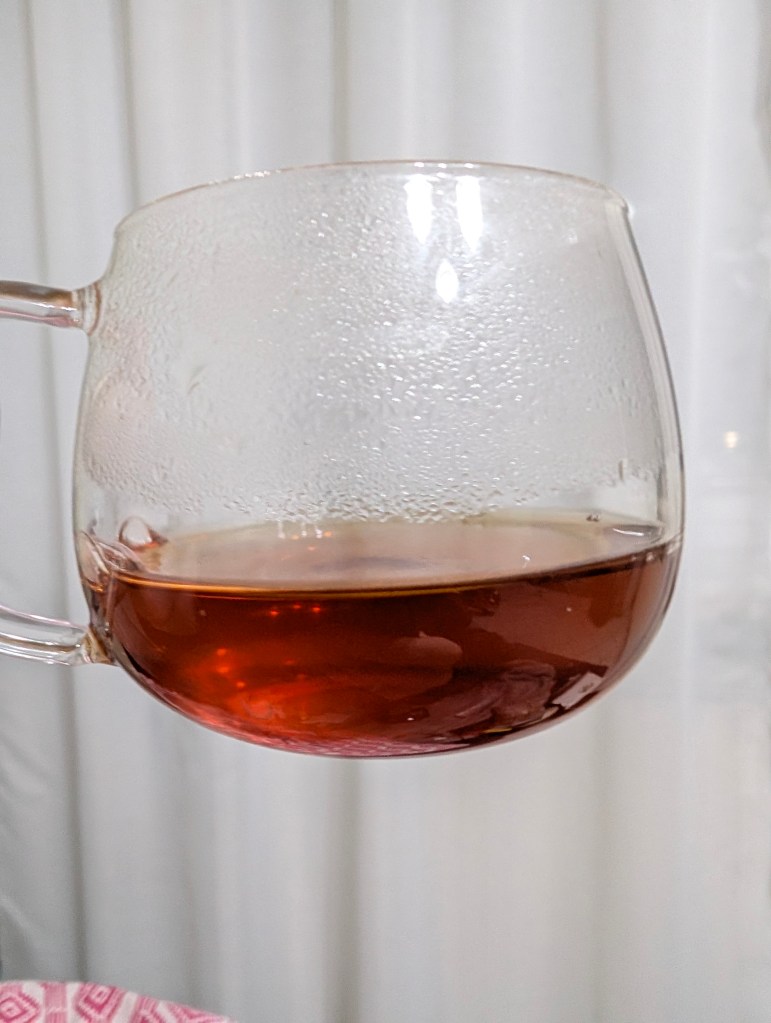
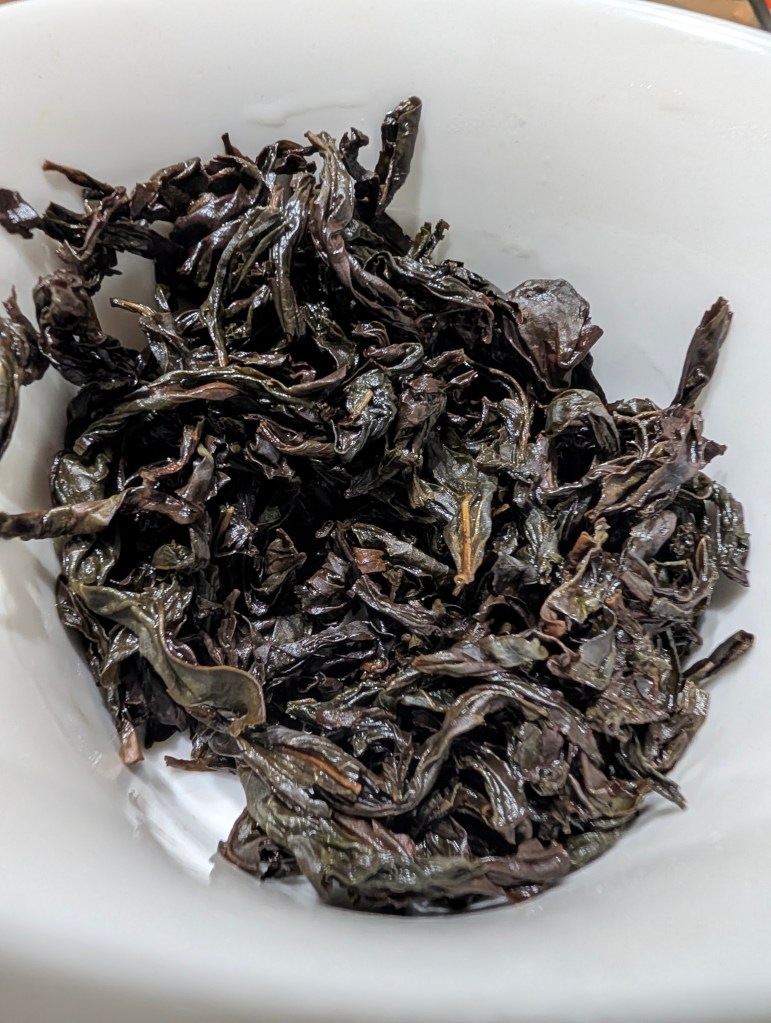
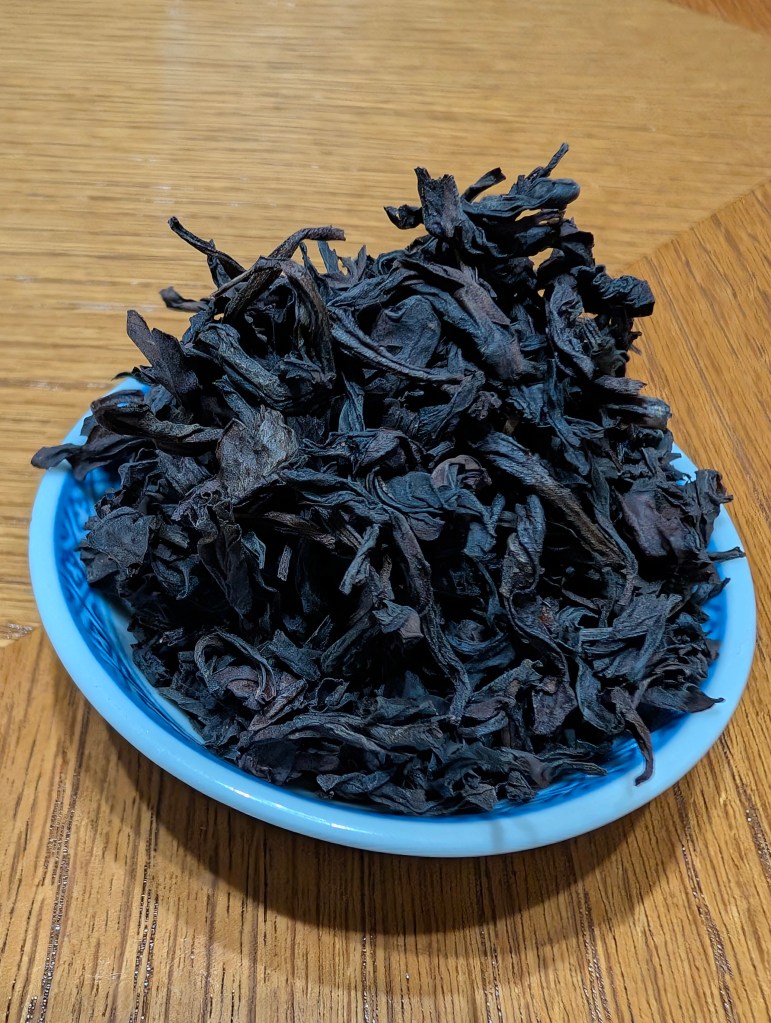

The Experience: This is a fascinating tea that truly rewards patience. True to its medium charcoal roast, the very first steeps present a bold, stony foundation. The floral notes are quite shy at first. By the second steep, I could detect subtle hints of Osmanthus, a clear nod to the tea’s genetic parentage. If you stick to very short flash-steeps of about 3 seconds, the tea beautifully transforms around the third or fourth infusion. The rocky character mellows out, allowing those elegant, soft yellow rose notes to finally step into the spotlight.
2. Guo Xiang Rou Gui (“Fruity Cinnamon”)
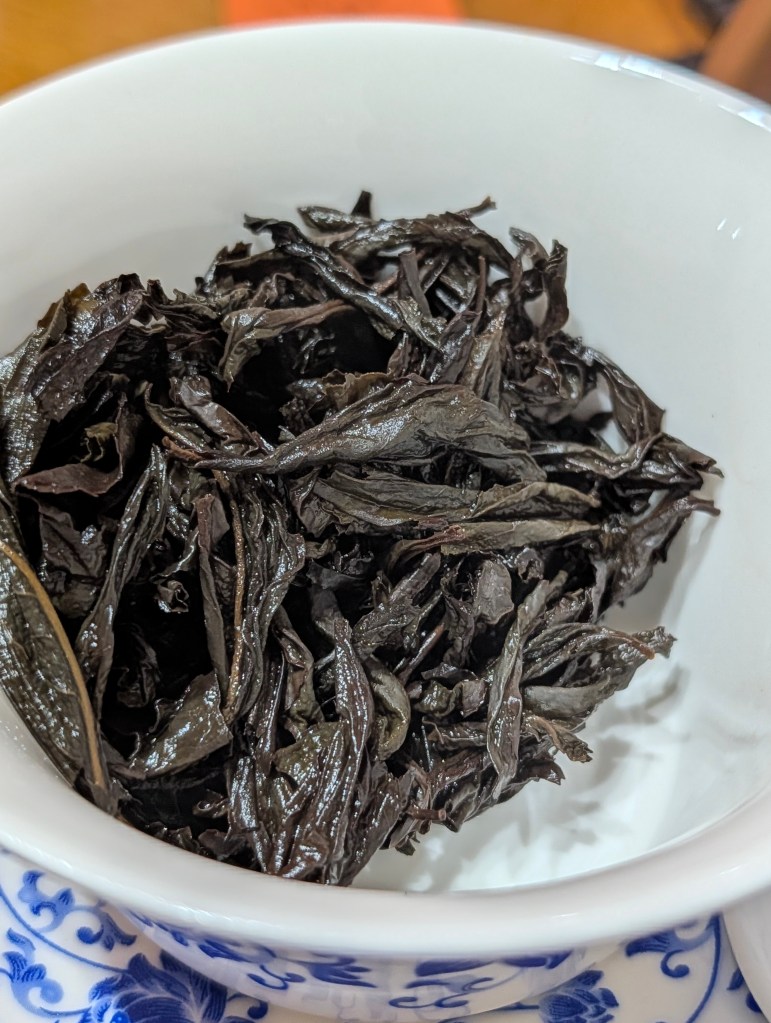
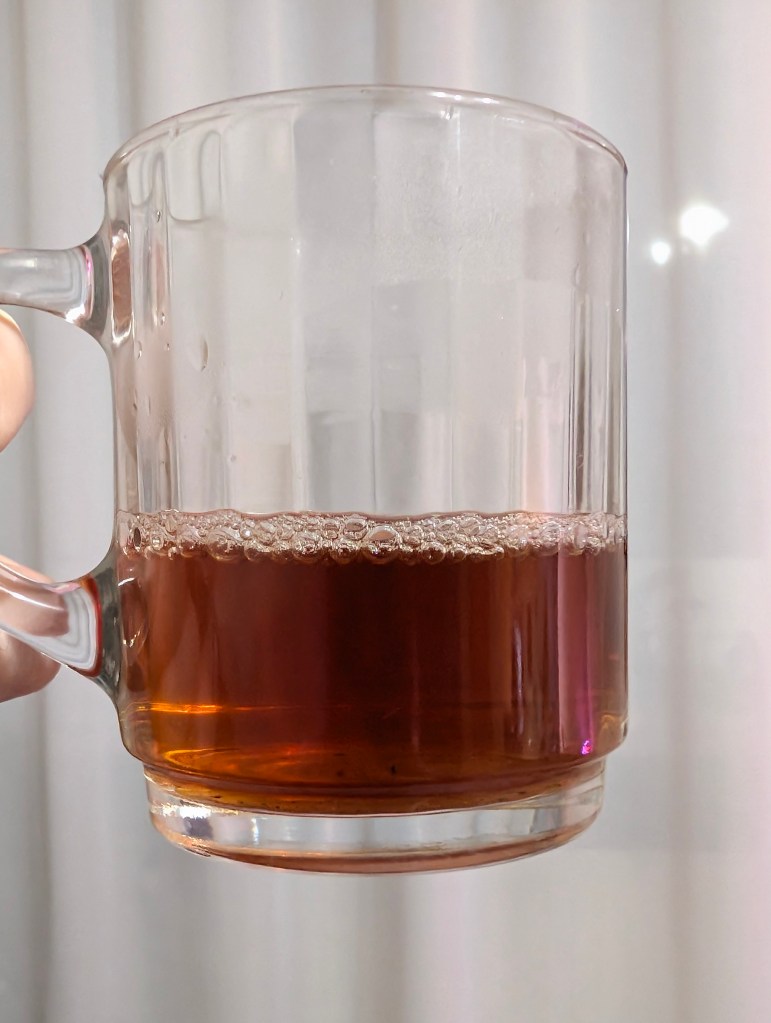
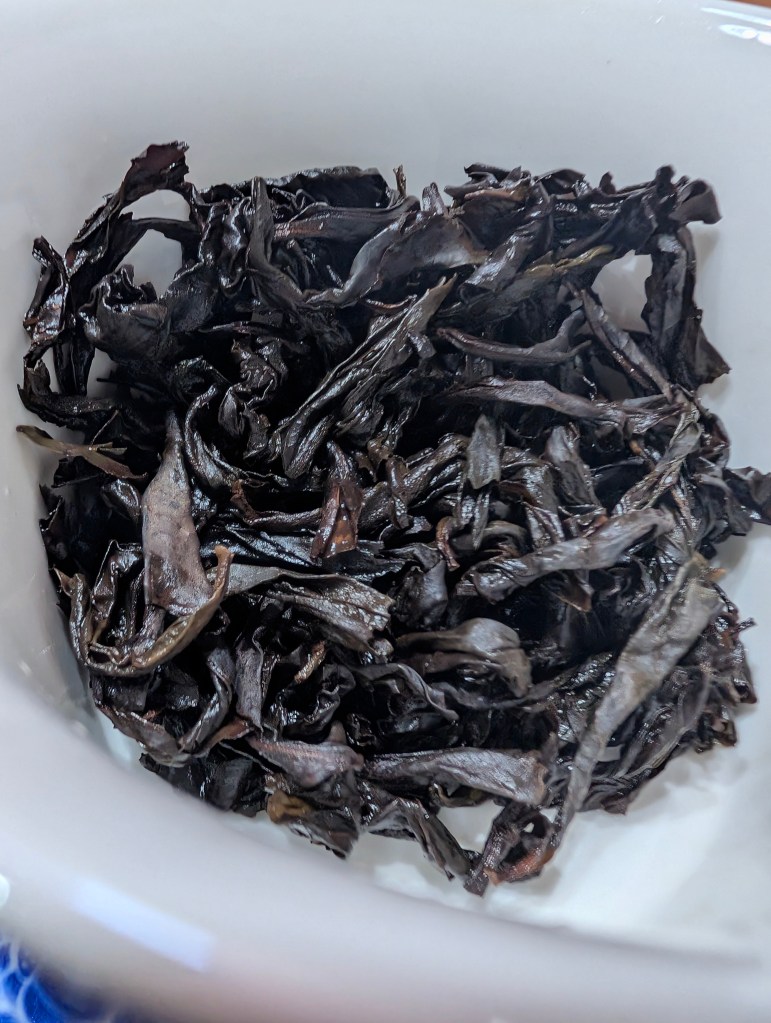
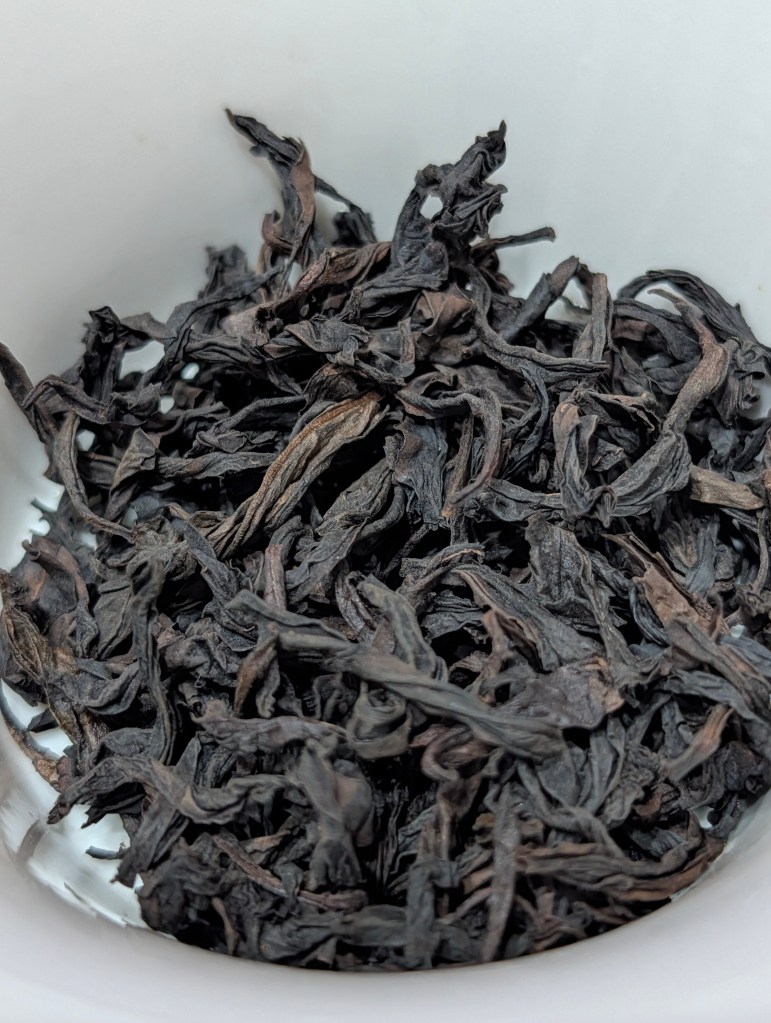
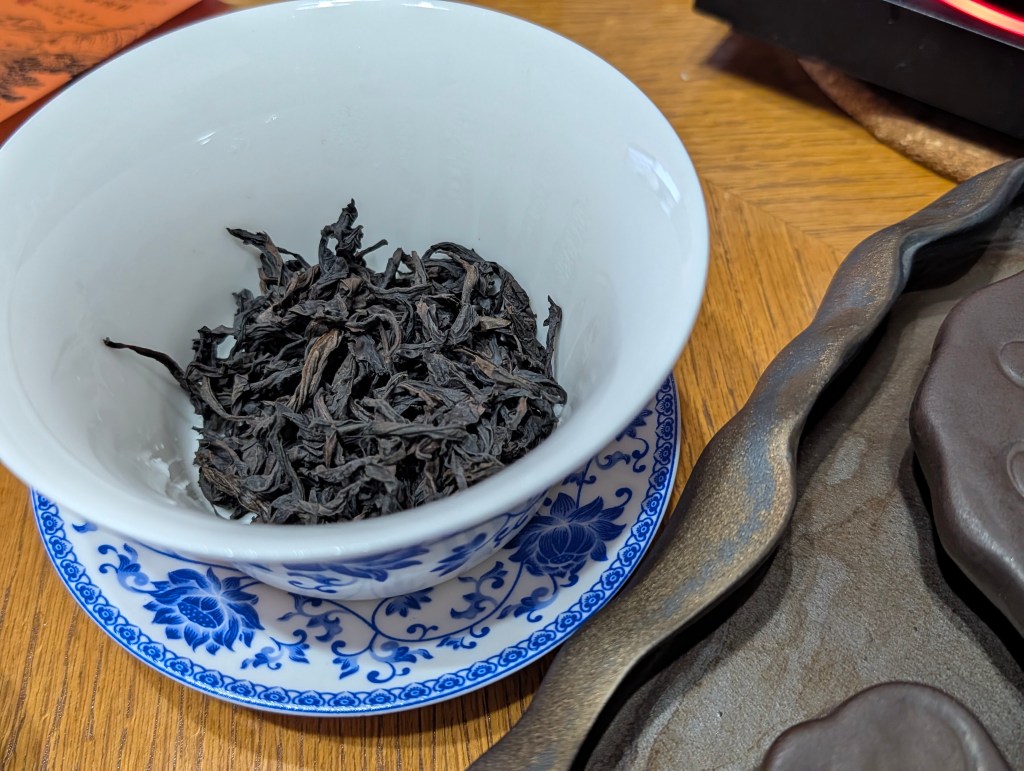
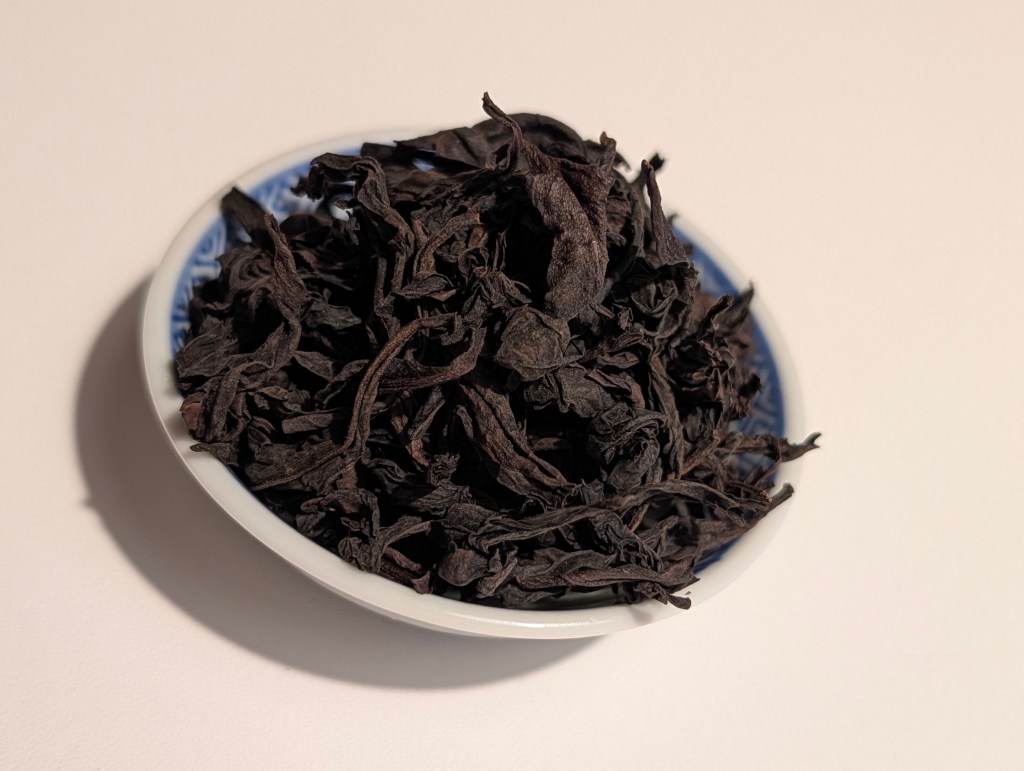
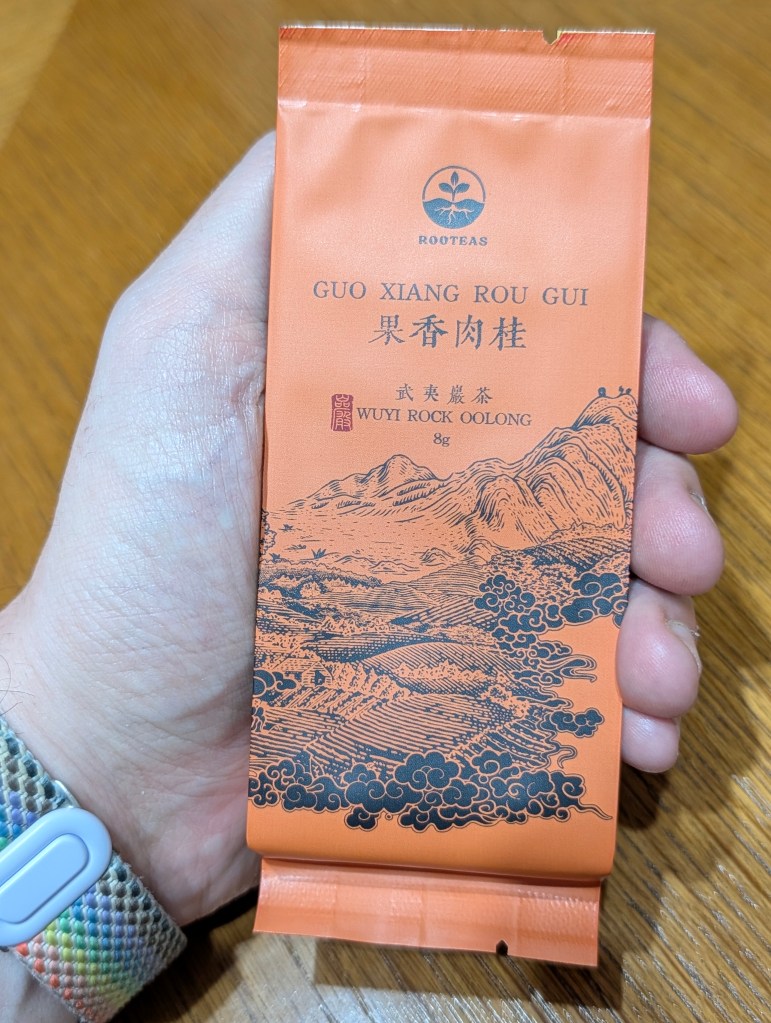
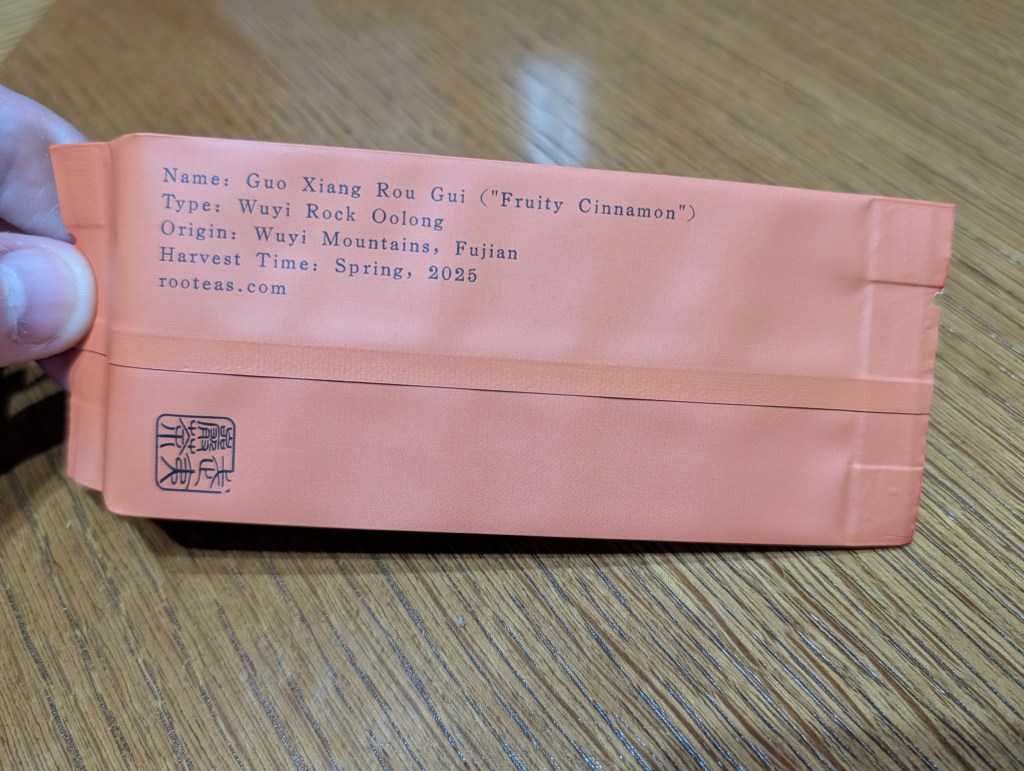
The Experience: Rou Gui is famous for its spicy cinnamon character, but this “Guo Xiang” version aims to balance that spice with ripe fruit notes achieved through careful processing. The dry leaves and the empty warm cup smell incredibly sweet and fruity. In the cup, it delivers exactly what it promises. It brings a very harmonious balance of a stony foundation, gentle fruit notes, and a mild cinnamon character. The spice is definitely present, but it never becomes sharp or overwhelming. It is a wonderfully rounded and highly enduring expression of the cultivar.
3. Zui Gui Fei (“Drunken Noble Consort”)
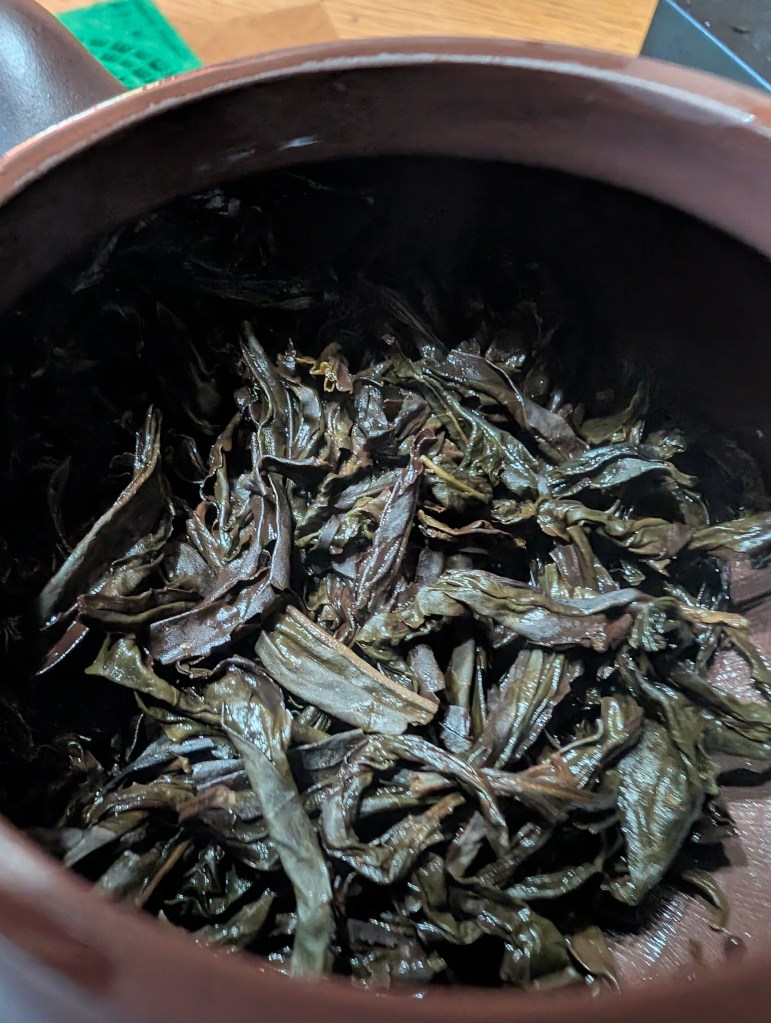
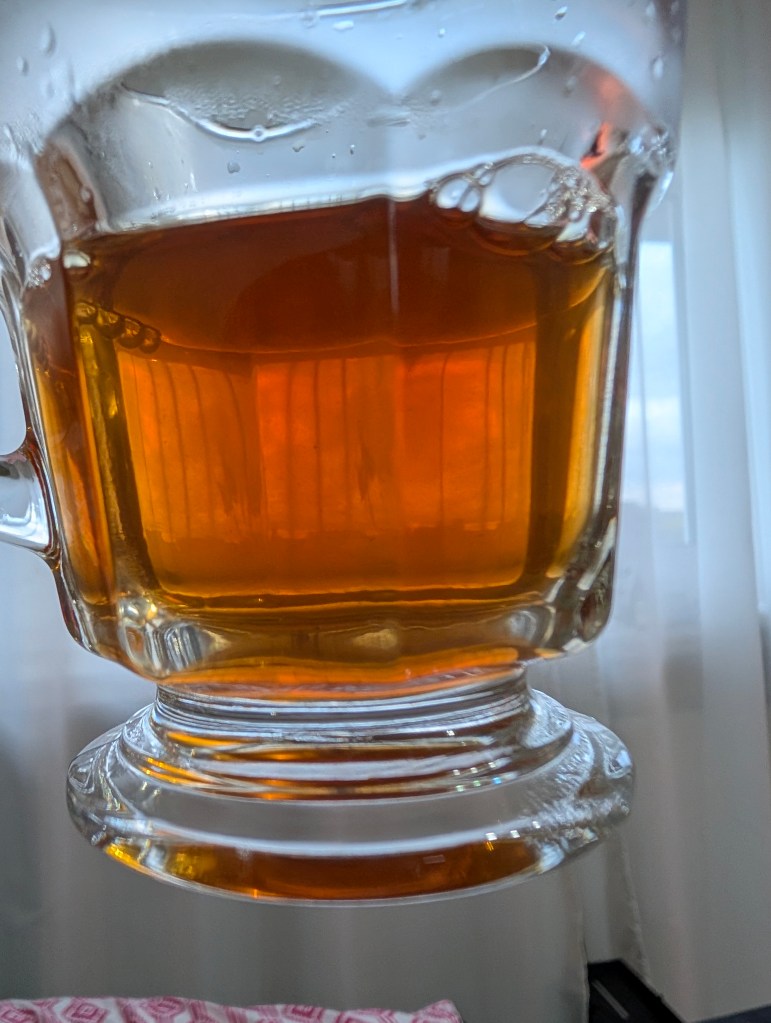
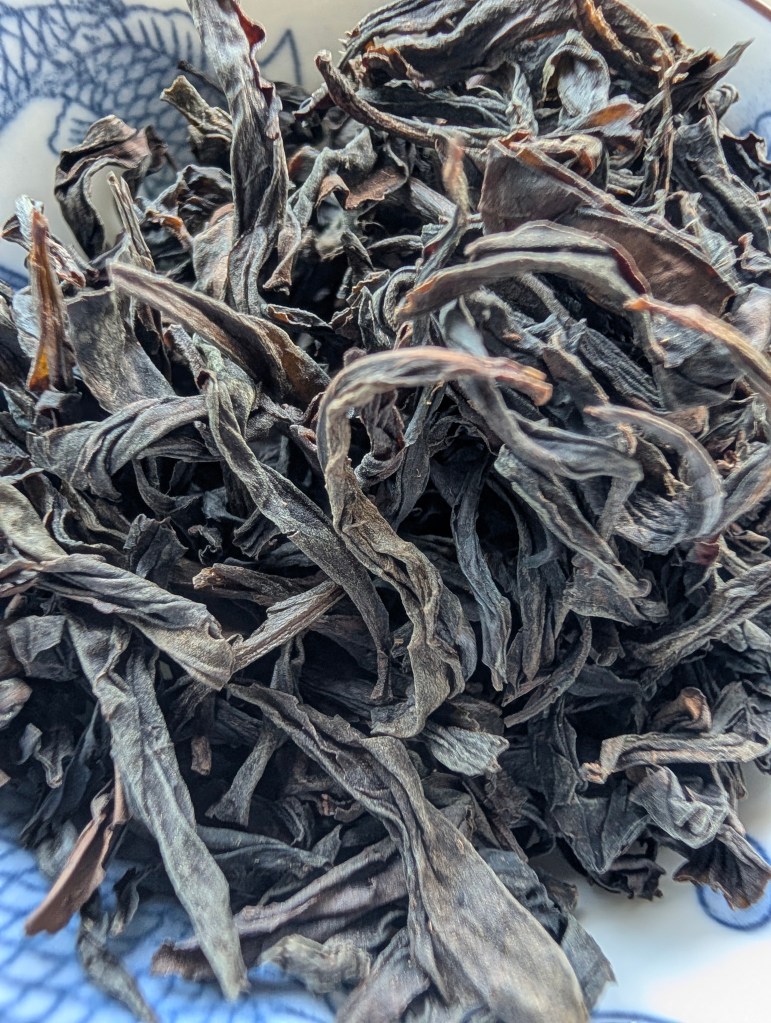
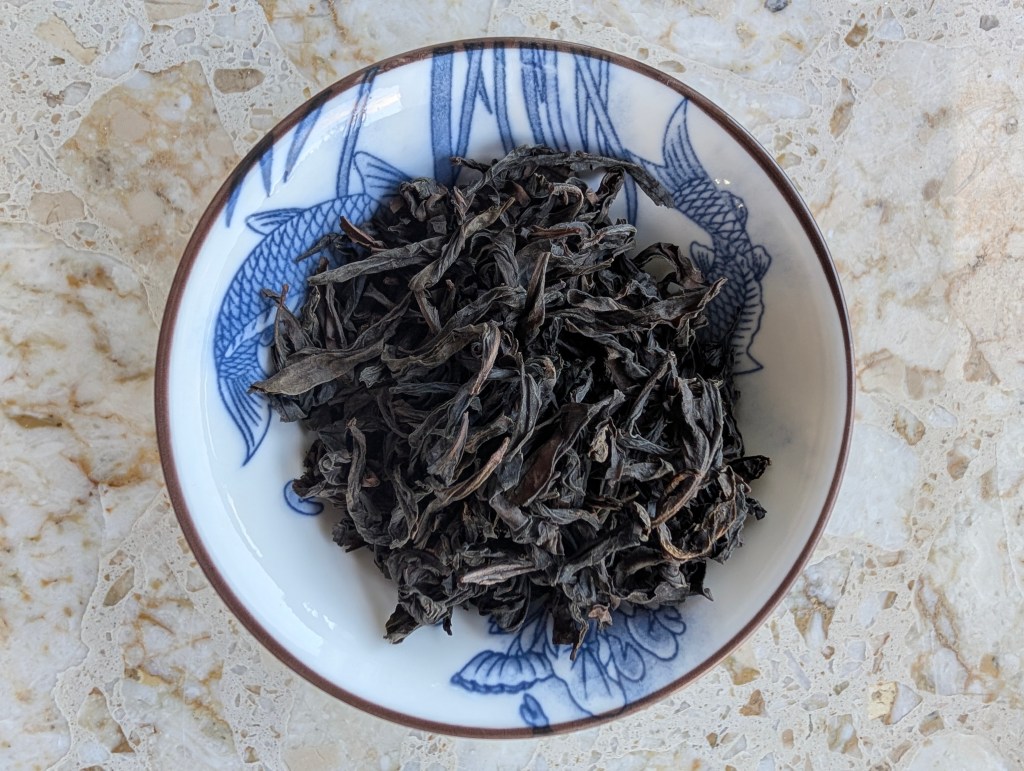
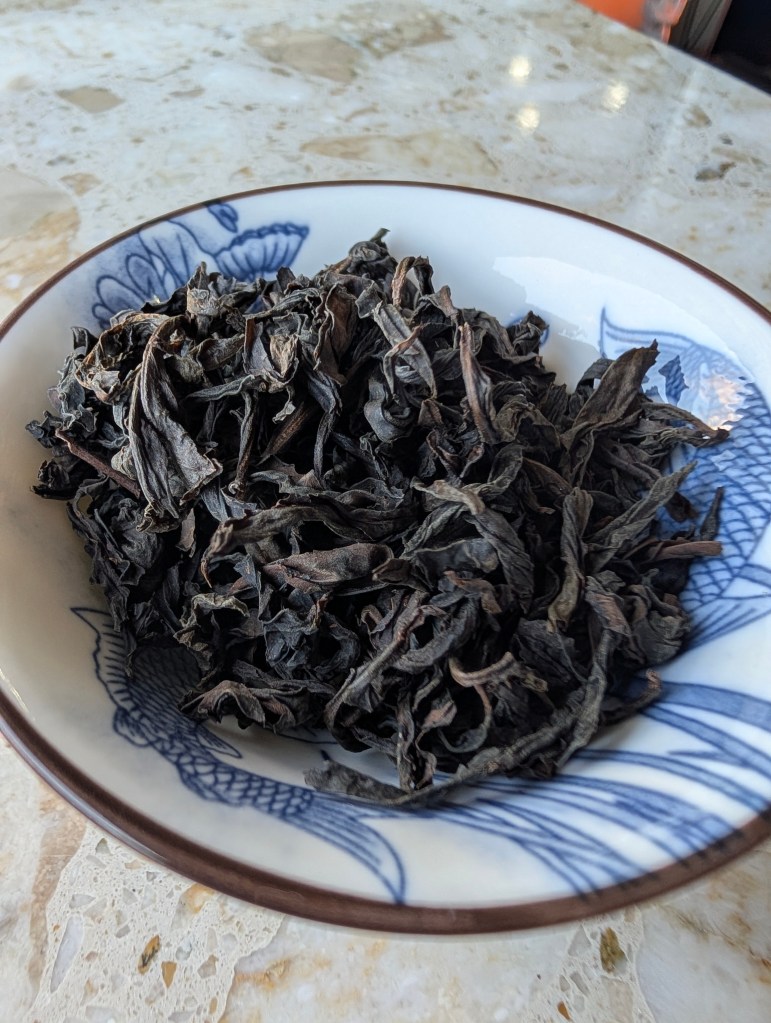

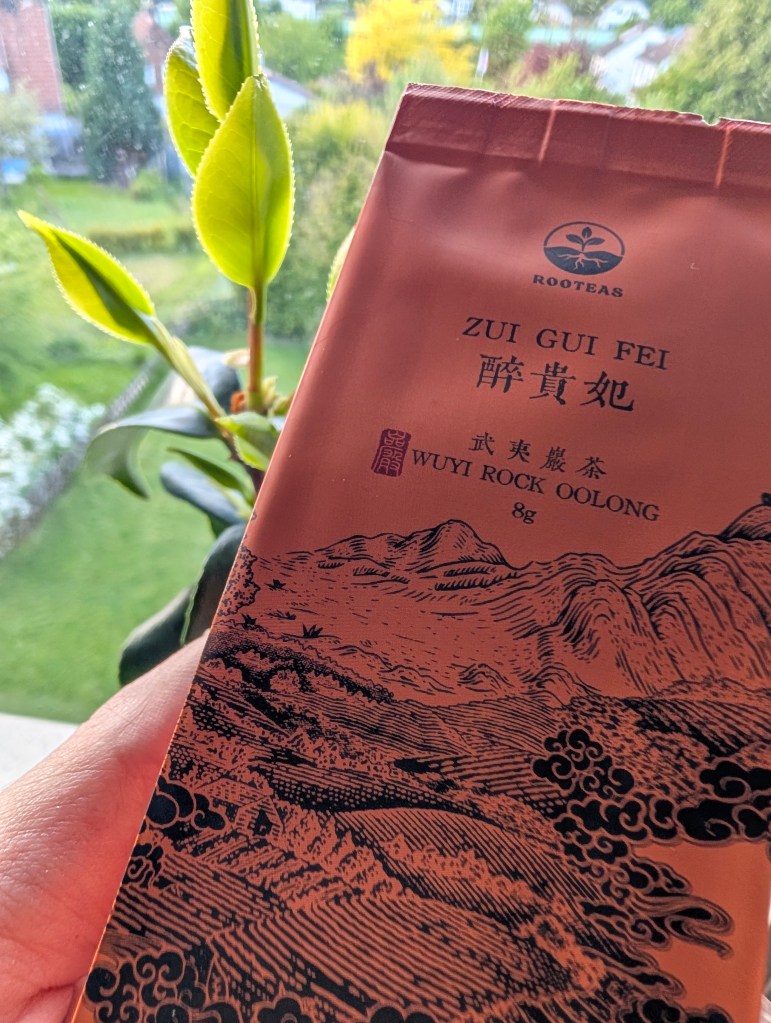
The Experience: The name suggests grace and elegance that opens slowly over time. Brewing this produced the most dramatic contrast in the whole box. It had the strongest, rockiest, and most powerful start of all four teas. At first, it is not velvety at all. However, as the session progressed into the late night, it completely transformed, offering the smoothest finish of the entire sampler. It is a captivating tea that starts with a bold punch and ends with a gentle, lingering charm.
4. Classic Rou Gui (“Classic Cinnamon”)
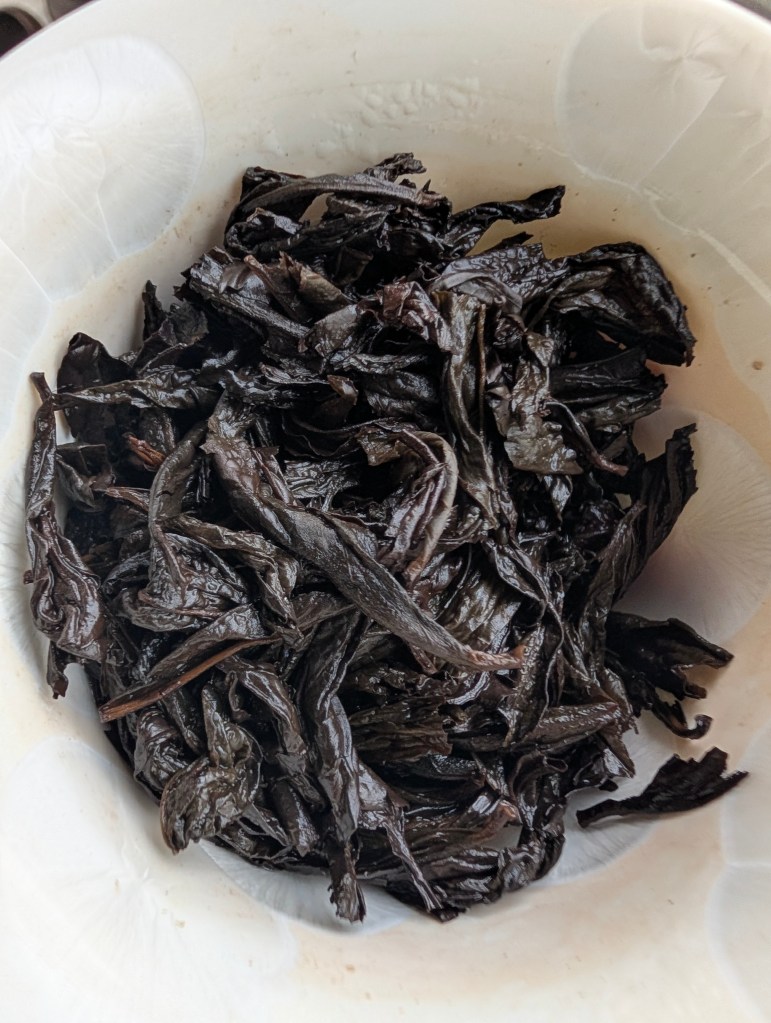
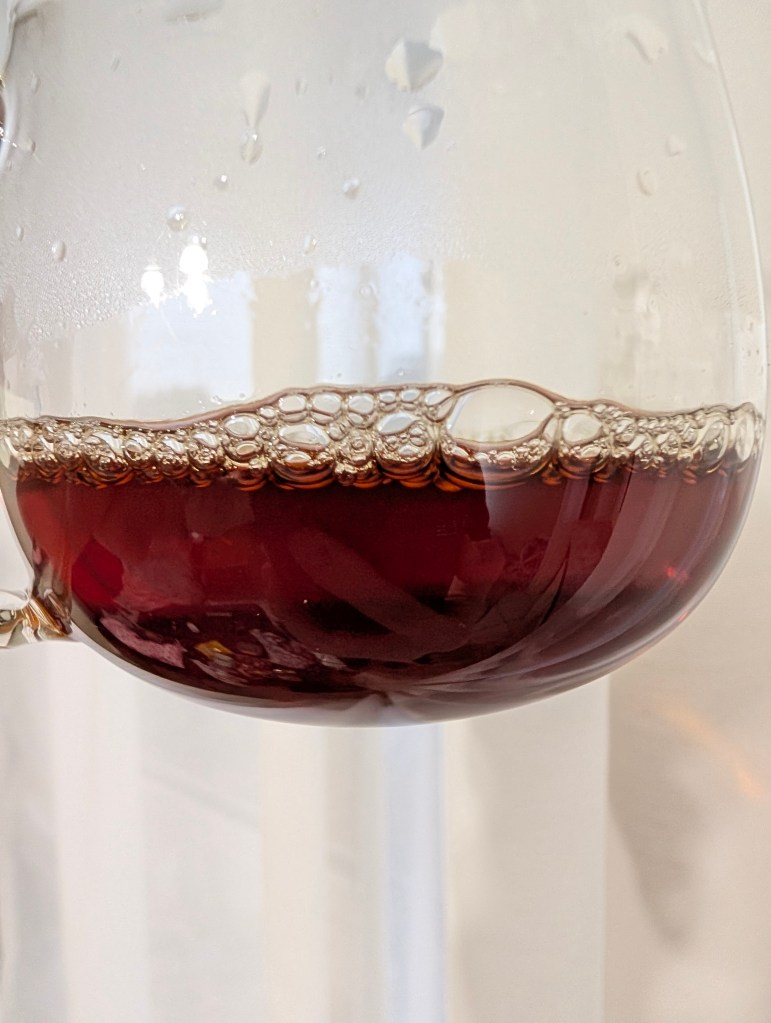
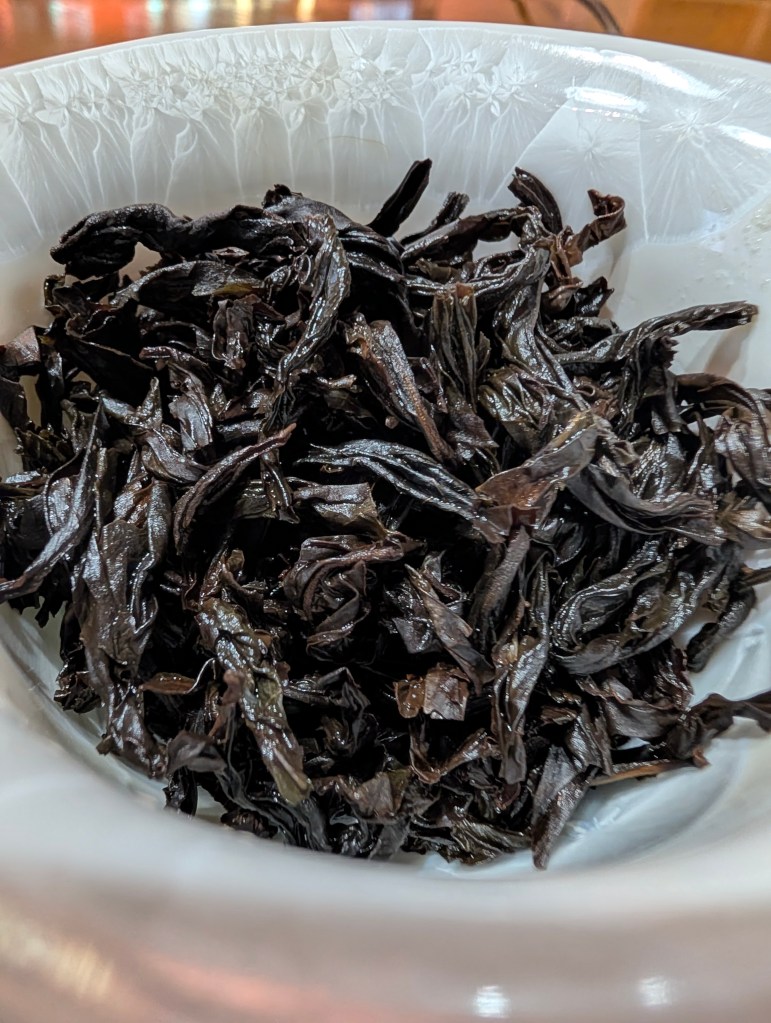
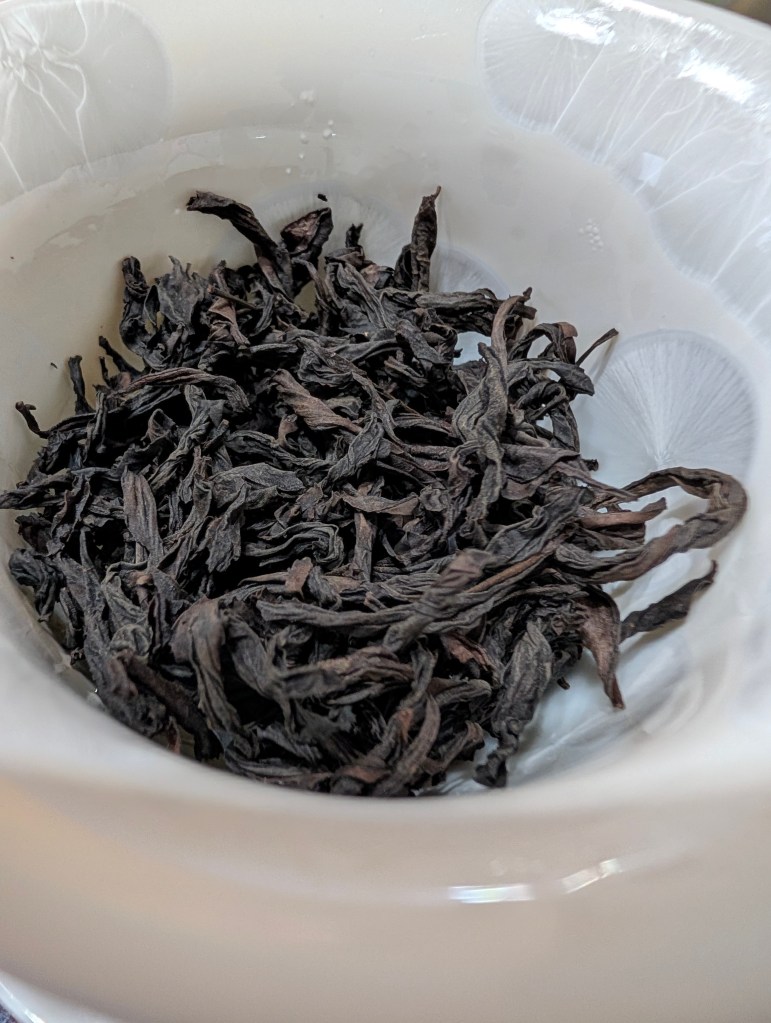
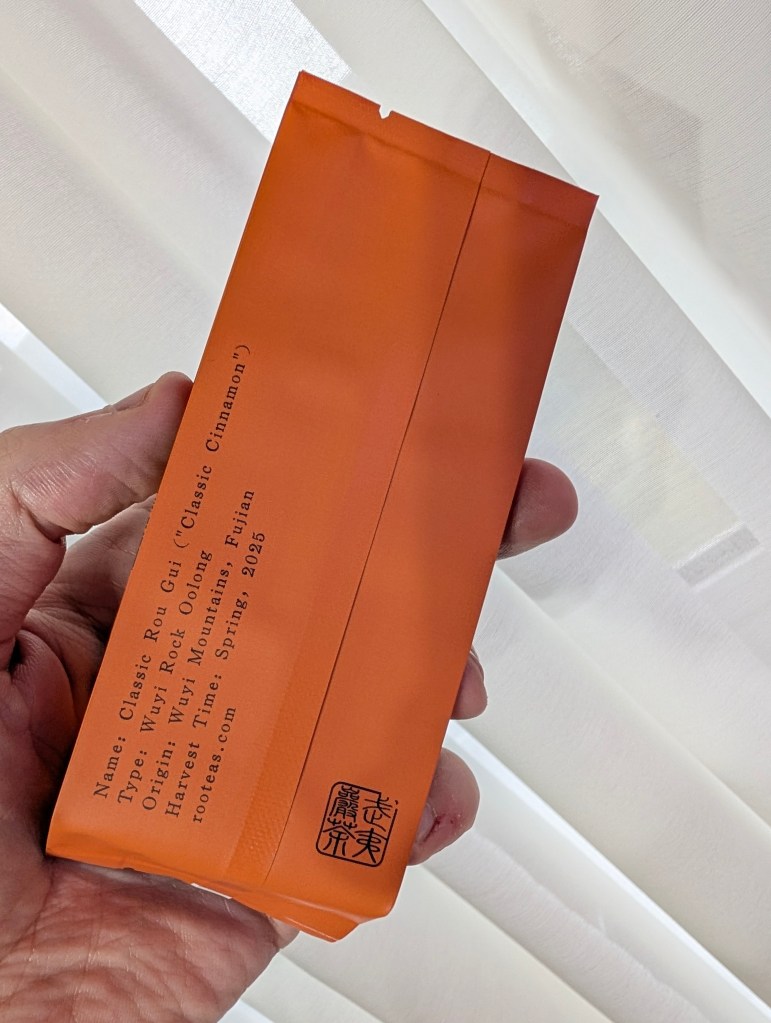
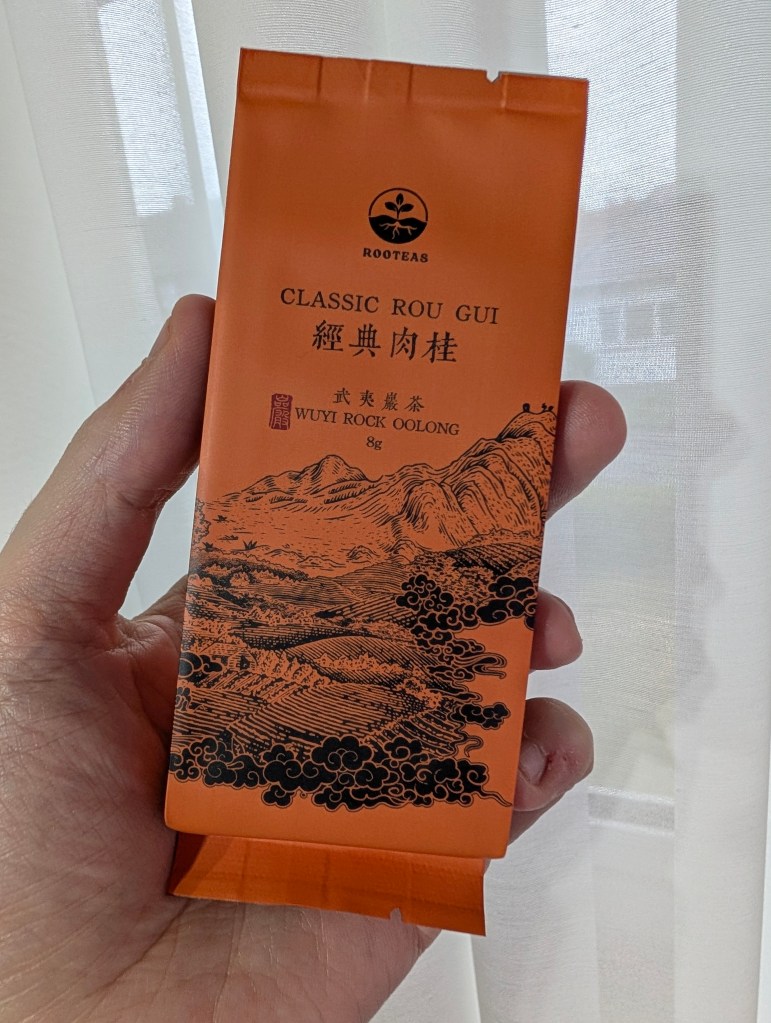
The Experience: This is the baseline. It is pure, honest, unadulterated Yancha. Unlike its fruity sibling, this classic version does not try to be a dessert or offer complex fruity layers. From the very first sip, it delivers a high dose of mineral character and a strong, authentic Yan Cha taste. It is bold, strong, and highly satisfying for anyone seeking the core Rock Oolong experience. The craftsmanship shines here because, despite its power, there are no off-notes and no cheap ash flavors. It is simply a very solid, well-made tea.
The Verdict
So, is the Rooteas Sampler Box worth your money? After drinking my way through all four varieties, my conclusion is quite simple: this is very good tea, backed by solid craft and high quality. I did not find any problems, off-notes, or other shortcomings in any of the packets. While it is not cheap, the price reflects the years of experience and the careful processing required to make Rock Tea properly without ruining it. Buying Yan Cha online can often feel like a gamble. This sampler box removes that risk. It offers exactly what it claims to be: a clean, authentic, and thoroughly enjoyable journey through the Wuyi Mountains, without any nonsense or fake smoke. Rooteas delivers. If you want to experience what real, handcrafted Yancha tastes like, this is a very safe and delicious place to start.
Photo credit: All images taken by Christopher Isak for Tea Horse Road. Feature image created by AI based on article context.

